
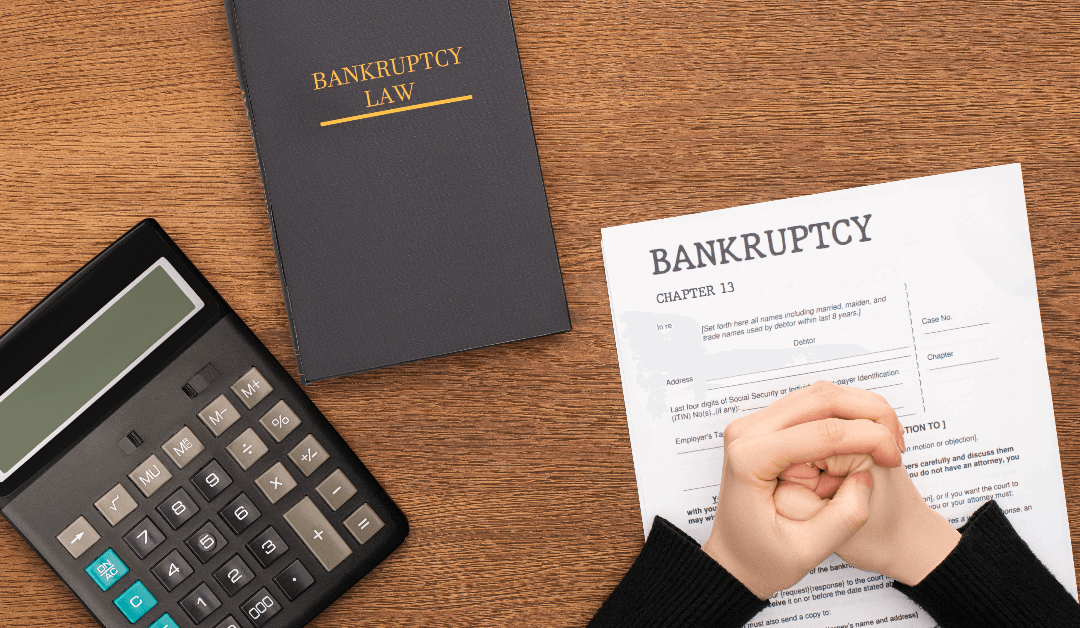
Divorce often creates more than emotional stress. Many Miami families also face growing debt, mortgage pressure, and property disputes at the same time. Credit card balances increase, bills become harder to manage, and questions about the family home create even more uncertainty.
Before filing for divorce in Florida, at least one spouse generally must meet the state’s six-month residency requirement.
During these difficult situations, a skilled divorce and bankruptcy lawyer Miami can help organize financial and legal problems under one clear strategy. Many people prefer coordinated legal guidance instead of working with multiple firms.
Related: Do I need a lawyer for an uncontested divorce in Florida? • Can bankruptcy stop foreclosure in Florida?
Why Divorce and Financial Problems Often Collide
Divorce changes nearly every financial responsibility inside a household. Two incomes may suddenly become one. Shared expenses become separate obligations.
Many couples already struggle financially before filing for divorce. Arguments about spending, debt, or unpaid bills often increase tension inside the marriage.
People who are getting divorced and in debt commonly face issues involving:
- Credit card balances
- Mortgage payments
- Business loans
- Medical debt
- Car loans
- Personal loans
- Late tax obligations
One spouse may worry about protecting credit scores. Another may fear foreclosure or collection calls.
In Miami, rising housing costs add even more pressure during divorce proceedings. Some couples cannot afford separate housing immediately.
Others continue sharing mortgage payments while the divorce moves through the court. This arrangement often creates conflict and confusion.
A knowledgeable divorce and bankruptcy lawyer Miami can help clients understand how debt may affect property division, support obligations, and long-term financial recovery.
Who Gets the House in a Florida Divorce?
For many families, the house becomes the most emotional issue in the divorce.
The answer to who gets the house in a Florida divorce depends on several factors. Florida follows equitable distribution laws.
Equitable distribution does not always mean a perfect fifty-fifty split. Courts examine financial contributions, ownership history, debts, and the overall circumstances of the marriage. This means courts evaluate what is fair under the circumstances rather than automatically dividing every asset and debt equally between spouses.
Mortgage Responsibility During Divorce
Even if one spouse leaves the home, both parties may still remain responsible for the mortgage.
This situation becomes dangerous when payments stop or refinancing never happens.
Many couples underestimate how long shared financial responsibility can continue after separation.
A strong divorce and real estate lawyer Miami strategy often focuses on:
- Refinancing the property
- Selling the home
- Creating buyout agreements
- Addressing missed payments
- Protecting ownership interests
- Resolving title disputes
Some spouses want to keep the home for the children. Others cannot financially maintain the property alone.
Shared Ownership Problems After Divorce
Some divorced couples continue co-owning property temporarily. While this may seem practical, it can create future legal disputes.
Problems often involve:
- Late mortgage payments
- Tax responsibility
- Property maintenance
- Insurance obligations
- Future sale disagreements
A coordinated legal approach helps reduce these risks before final agreements are signed.
Can Bankruptcy Help During or After Divorce?
Many people feel ashamed when debt problems become overwhelming. However, financial hardship during divorce is extremely common.
Bankruptcy may provide relief when debt becomes impossible to manage.
A qualified divorce and bankruptcy lawyer Miami can evaluate whether bankruptcy should happen before, during, or after the divorce process.
Timing matters because bankruptcy may affect:
- Marital debt responsibility
- Foreclosure risks
- Collection lawsuits
- Asset protection
- Credit recovery
- Financial negotiations during divorce
However, bankruptcy does not erase domestic support obligations such as child support or alimony. These financial responsibilities generally remain enforceable despite bankruptcy proceedings.
Bankruptcy and Marital Debt
Some debts belong to both spouses. Others remain tied to only one party.
Many people who are getting divorced and in debt mistakenly assume that divorce automatically removes their responsibility from shared accounts. That is not always true.
Creditors may still pursue payment even after divorce agreements divide responsibility between spouses.
Bankruptcy sometimes creates breathing room by stopping collection activity and reducing financial pressure during a stressful transition.
Bankruptcy and Foreclosure Concerns
The family home often becomes vulnerable when both spouses struggle financially. Missed mortgage payments may place the property at risk of foreclosure.
Bankruptcy may help pause foreclosure activity in some situations, but outcomes depend on mortgage status, available equity, income, and the overall timing of the case.
A strategic legal plan can help clients explore options involving:
- Loan modification
- Property sale
- Bankruptcy protection
- Debt restructuring
- Temporary payment relief
A divorce and real estate lawyer Miami who also understands bankruptcy issues can better coordinate these overlapping concerns.
Why Choose One Lawyer for Divorce, Bankruptcy, and Real Estate
Many law firms focus on only one legal area. Divorce attorneys may not fully understand foreclosure issues or bankruptcy timing.
Real estate lawyers may not handle family court disputes. Bankruptcy lawyers may not address property division concerns.
This separation often forces clients to manage multiple firms while already overwhelmed emotionally and financially.
A lawyer handling interconnected legal matters can build one coordinated strategy instead of conflicting plans.
This approach often improves communication, reduces delays, and helps clients avoid costly mistakes.
A trusted divorce and bankruptcy lawyer Miami can evaluate how family law, debt obligations, and property ownership affect one another.
Clients dealing with business ownership, investment properties, or large debt exposure especially benefit from unified legal guidance.
Common Mistakes People Make During a High-Debt Divorce
Fear causes many people to make rushed financial decisions during divorce. Some mistakes create long-term damage that becomes difficult to reverse later.
Moving or Hiding Money
Attempting to hide assets or move funds without disclosure can seriously damage credibility in court. Financial transparency matters during property division proceedings.
Signing Agreements Too Early
Some people sign settlement agreements quickly because they want emotional relief.
Unfortunately, rushed agreements may leave unresolved mortgage obligations, tax problems, or unfair debt distribution.
Ignoring Shared Debt
Many couples focus only on assets while ignoring joint debt responsibility.
People who are getting divorced and in debt should carefully review every shared financial account before finalizing agreements.
Leaving the Mortgage Unresolved
One of the biggest mistakes involves leaving mortgage responsibility unclear. This issue frequently leads to missed payments, damaged credit, and future legal disputes.
Questions involving who gets the house in a florida divorce should never remain vague in settlement agreements.
Protect Your Financial Future Before Problems Grow
Divorce, debt, and property disputes often create fear, confusion, and emotional exhaustion. A strategic legal plan can help protect your home, finances, and long-term stability before problems become worse.
If you need guidance from a trusted divorce and bankruptcy lawyer Miami, contact Arturo Alfonso Law to discuss your situation and explore practical legal solutions for your future.